
Featured Trip - Lunana Snowman Trek -
Explore More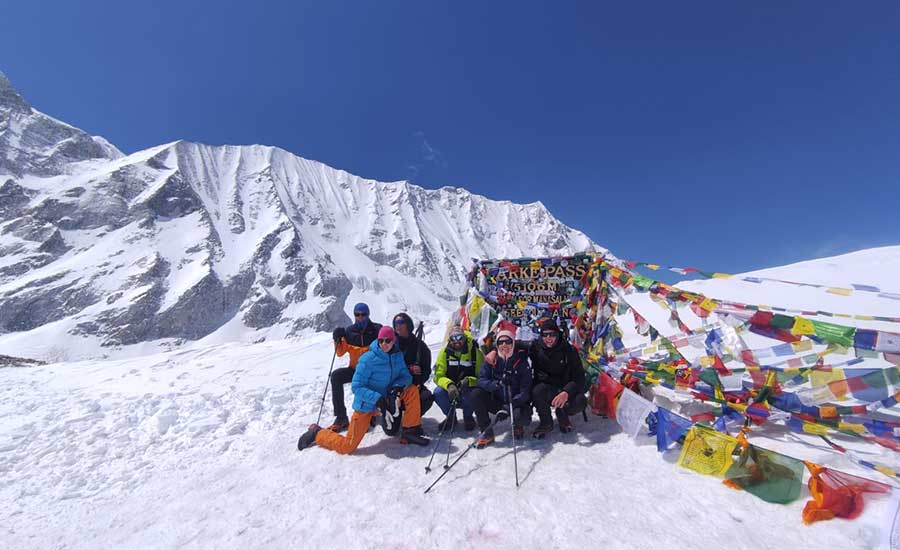
The Manaslu Circuit Trek 16 days in 2026 is one of Nepal’s most breathtaking adventures, combining stunning mountain views with rich cultural encounters in the remote Manaslu region. Organized by Himalayan Dream Team, this trek begins in Kathmandu, a city filled with ancient UNESCO World Heritage Sites, and culminates with panoramic views of the majestic Mt. Manaslu (8,163 m), the eighth-highest mountain in the world. The route includes the iconic Larkya La Pass (5,106 m), one of the most dramatic passes in the Himalayas, making the journey both challenging and rewarding for those who seek adventure and authentic Himalayan beauty.

The Manaslu Circuit Trek itinerary is carefully designed for trekkers who love nature, culture, and adventure, and who possess a good level of physical endurance. It features well-planned acclimatization days and comfortable lodges to ensure safety and enjoyment at high altitudes. Trekkers will pass through lush green valleys, terraced farmlands, subtropical forests, and remote villages, gradually entering the high mountain landscapes where snow-covered peaks dominate the horizon. Along the trail, you’ll experience the spiritual charm of Buddhist monasteries, ancient Mani walls, prayer flags, and warm hospitality from the locals who still live according to centuries-old traditions.

One of the highlights of the journey is the opportunity to witness diverse ecosystems, from fertile lowlands to alpine meadows and glacial valleys. The Manaslu Circuit Trek distance is typically around 177 km, making it slightly longer and more adventurous than other classic trekking routes in Nepal. The trek offers a perfect balance of cultural immersion and natural beauty, with encounters in traditional Gurung and Tibetan-influenced villages, where life feels untouched by modernity.
The Manaslu Circuit Trek cost in 2026 is designed to provide great value, including all permits (such as the special restricted area permit), accommodations, and meals along the route. With the support of experienced guides and porters, you can trek with confidence knowing that logistics, safety, and comfort are fully managed. Carrying a Manaslu Circuit Trek map will help you appreciate the trail’s progression, from the lower valleys near Arughat and Soti Khola to the high alpine passes before descending into the Annapurna region.

This trek is ideal for travelers looking for a less-crowded alternative to Everest or Annapurna while still enjoying dramatic Himalayan scenery and cultural richness. Whether it’s the jaw-dropping views from Larkya La Pass, the untouched beauty of remote mountain villages, or the connection with the authentic Nepalese lifestyle, the Manaslu Circuit Trek is a once-in-a-lifetime journey. With its perfect blend of adventure, natural diversity, and cultural heritage, it is certain to leave a lasting impression on your heart and soul.
The Manaslu Circuit Trek can be enjoyed throughout much of the year, but spring and autumn offer the best weather, mountain views, and trekking conditions.
Autumn (September-November): Clear skies, stable weather, excellent visibility, and ideal conditions for crossing Larkya La Pass (5,106 m). This is the most popular trekking season in the Manaslu region, offering spectacular mountain panoramas and comfortable daytime temperatures.
Spring (March-May): Blooming rhododendron forests, colorful landscapes, active wildlife, and pleasant temperatures make spring one of the most beautiful times to trek. The clear mountain views and vibrant scenery create unforgettable trekking experiences.
Winter (December-February): Quiet trails and stunning snow-covered landscapes provide a unique Himalayan experience. Temperatures can be very cold at higher elevations, and snowfall may affect the crossing of Larkya La Pass. This season is recommended for experienced trekkers prepared for winter conditions.
Monsoon (June-August): The hills and valleys become lush and green, and the trails are quieter. However, heavy rainfall, muddy paths, leeches, and the risk of landslides make this the least recommended season for trekking the Manaslu Circuit.
For the best overall experience, we highly recommend trekking during April, May, October, and November, when weather conditions are generally at their most stable and the Himalayan views are truly spectacular.
The Manaslu Circuit Trek is considered a moderate to challenging trek, suitable for trekkers with a good level of fitness. Most days involve 5 to 7 hours of walking through remote villages, forests, river valleys, and high-altitude mountain terrain.
The highest point of the trek is Larkya La Pass (5,106 m), where altitude can make trekking more demanding. While no technical climbing experience is required, proper acclimatization and preparation are essential.
We recommend training for 6 to 8 weeks before the trek with activities such as hiking, stair climbing, jogging, or cycling. With a well-planned itinerary and support from experienced guides, the Manaslu Circuit Trek is achievable for most healthy and active trekkers.
| Day | Program | Km | Hrs | Altitude (m) | Breakfast | Lunch | Dinner |
|---|---|---|---|---|---|---|---|
| 1 | Arrival in Kathmandu and transfer to hotel | 1335 | X | X | ✔ | ||
| 2 | Sightseeing in Kathmandu Valley - UNESCO Heritage Sites | 4-5 | 1335 | ✔ | X | X | |
| 3 | Drive from Kathmandu to Machha Khola | 172 | 7-8 | 870 | ✔ | ✔ | ✔ |
| 4 | Trek from Machha Khola to Jagat | 22 | 5-6 | 1330 | ✔ | ✔ | ✔ |
| 5 | Trek from Jagat to Deng | 20 | 6-7 | 1800 | ✔ | ✔ | ✔ |
| 6 | Trek from Deng to Ghap | 11 | 4-5 | 2100 | ✔ | ✔ | ✔ |
| 7 | Trek from Ghap to Lho | 17 | 5-6 | 3200 | ✔ | ✔ | ✔ |
| 8 | Trek from Lho to Samagaun via Pungyen Gompa | 14 | 4-5 | 3999 | ✔ | ✔ | ✔ |
| 9 | Rest day in Samagaun - Optional hike to Manaslu Base Camp | - | 5-6 | 4800 | ✔ | ✔ | ✔ |
| 10 | Trek from Samagaun to Samdo | 9 | 3-4 | 3847 | ✔ | ✔ | ✔ |
| 11 | Trek from Samdo to Dharamsala / Larkya Phedi | 7 | 4-5 | 4460 | ✔ | ✔ | ✔ |
| 12 | Cross Larkya La Pass and trek to Bhimtang | 25 | 6-7 | 5106 | ✔ | ✔ | ✔ |
| 13 | Trek from Bhimtang to Dharapani | 23 | 7-8 | 1990 | ✔ | ✔ | X |
| 14 | Drive from Dharapani to Kathmandu | 220 | 8-9 | 1335 | ✔ | ✔ | X |
| 15 | Leisure day in Kathmandu | 1335 | ✔ | X | X | ||
| 16 | Transfer to the international airport in Kathmandu | 1335 | ✔ | X | X |
The Manaslu Circuit Trek passes through one of Nepal's most remote and protected mountain regions. Because the trail enters a restricted area close to the Tibetan border, several government-issued permits are mandatory for all trekkers. Himalayan Dream Team will arrange all necessary permits before your trek begins.
Required Permits for Manaslu Circuit Trek
Important Permit Information
The Manaslu region has special trekking regulations designed to protect its unique culture, environment, and local communities.
With all permits and logistics arranged in advance by Himalayan Dream Team, you can focus on enjoying the spectacular Himalayan scenery, traditional mountain villages, Buddhist monasteries, and the unforgettable crossing of Larkya La Pass (5,106 m).
During the Manaslu Circuit Trek, you’ll stay in simple but welcoming teahouses - small, family-run guesthouses that offer trekkers a warm bed, a hot meal, and a glimpse into Himalayan life. Although the facilities are basic, the atmosphere is cozy and authentic, providing a true mountain experience.
Teahouse rooms are generally twin-shared, with wooden walls, thin mattresses, and warm blankets. Insulation is minimal, so a four-season sleeping bag is highly recommended, especially above 3,000 m. Rooms are tidy but simple - designed for rest after long trekking days.
Most teahouses have shared toilets, typically squat-style, though some lower-altitude lodges offer Western toilets.
Hot showers are available at many stops for a small additional fee, often heated by gas or solar power. At higher altitudes, expect limited or cold water due to freezing temperatures.
Bedrooms are usually unheated, but the dining area becomes the heart of the teahouse in the evenings. A central stove burning wood or yak dung provides warmth as trekkers gather to eat, drink tea, and share stories - creating a communal and comforting environment.
Electricity is available in most villages, but supply can be inconsistent. Charging phones or cameras typically incurs a small charge (especially at higher elevations).
Wi-Fi is available in some teahouses for a fee, though speeds are often slow or unreliable - a perfect excuse to disconnect and enjoy the mountain serenity.
Food and drinks on the Manaslu Circuit Trek are freshly prepared in local teahouses and provide the energy needed for long days of trekking in the Himalayas. While menus become simpler at higher elevations, trekkers can still enjoy a good variety of nutritious and satisfying meals throughout the journey.
Common meals and drinks available during the trek:
Our recommendation: For the best health and energy at high altitude, choose freshly cooked local meals, stay well hydrated and avoid meat dishes at higher elevations where refrigeration is limited.
Altitude sickness is one of the most important considerations on the Manaslu Circuit Trek, as the trail reaches a maximum elevation of 5,106 meters at Larkya La Pass. Some trekkers may experience mild symptoms such as headaches, loss of appetite, dizziness, fatigue, or difficulty sleeping as they gain altitude.
To minimize the risk, our itinerary includes a carefully planned acclimatization day in Samagaun, allowing your body sufficient time to adjust before moving higher. Our experienced guides closely monitor all participants throughout the trek and provide advice on hydration, pacing, and altitude awareness.
The best prevention is to walk slowly, stay well hydrated, eat regularly, and listen to your body. If any symptoms develop, it is important to inform your guide immediately so appropriate action can be taken.
Your safety is our highest priority. All Himalayan Dream Team guides are trained in first aid and altitude management. In the unlikely event of a serious medical emergency, helicopter evacuation can be arranged through your travel insurance provider.
With proper acclimatization, experienced guides, and a sensible trekking pace, the vast majority of trekkers complete the Manaslu Circuit safely and successfully while enjoying one of Nepal's most spectacular Himalayan adventures.
Pre-trip briefing with your Himalayan Dream Team guide: route review, safety & altitude plan, gear check, rental options in Thamel, dietary preferences, emergency procedures.
After Arughat/Soti Khola there are no ATMs. Bring NPR 25,000–30,000 (USD 180–230) for Wi-Fi, charging, hot showers, snacks, drinks, tips, and small purchases. Carry small notes; keep dry/secure.
The Manaslu region is home to traditional Tibetan-influenced communities, ancient monasteries, and sacred Buddhist sites. Respecting local customs helps preserve the region's unique culture and creates meaningful interactions with local people.
♦ Walk clockwise around stupas, prayer wheels, and Mani walls.
♦ Always ask permission before photographing local people, monks, or inside monasteries.
♦ Dress respectfully when visiting villages, temples, and gompas.
♦ Remove hats and shoes when entering monasteries or religious buildings where required.
♦ Support local communities by purchasing local products and services whenever possible.
♦ Help protect the fragile Himalayan environment by carrying out your rubbish & minimizing plastic waste.
♦ Use refillable water bottles and avoid single-use plastics along the trail.
♦ Respect local traditions, wildlife, and natural surroundings throughout your trek.
By trekking responsibly, you contribute to sustainable tourism and help preserve the cultural and natural heritage of the Manaslu region for future generations.
Tipping is a long-standing way to show appreciation for your trekking crew’s dedication and hard work. In Nepal, it’s not mandatory, but it’s a deeply appreciated gesture that recognizes the people who make your journey safe and memorable.
For the Manaslu Circuit Trek, the following tipping range is commonly practiced:
| Role | Suggested Tip (per day) | When to Give |
|---|---|---|
| Trekking Guide | USD 15 – 20 per day | At the end of the trek |
| Porter | USD 10 – 15 per day | At the end of the trek |
💡 For a complete understanding of how, when, and how much to tip in Nepal’s trekking industry, read our full guide:
👉 Tipping Culture in Nepal: How Much to Tip and When
Proper packing is important for a successful trek. Weather conditions can vary greatly between the lower valleys and the high mountains, so suitable clothing and equipment are essential.
🎒 For a complete, detailed gear guide with seasonal tips and brand recommendations, read our full article:
👉 Complete Packing List for Manaslu Circuit Trek (2026)
Welcome to Nepal! A Himalayan Dream Team representative will welcome you with a Nepali flower at Tribhuvan International Airport in Kathmandu and facilitate your private transfer to the hotel. You can relax and recover from your journey at the hotel and, when you feel ready, enjoy a gentle stroll around the neighborhood to get your first taste of the city.
As an introduction to your journey, we would like to treat you to dinner at one of best restaurant, which is guaranteed to give you the best impression of authentic local cuisine and hospitality.
Following your breakfast at the hotel, your guide will take you on a full day exploration of the profound cultural and spiritual heritage of Kathmandu, taking you to multiple UNESCO world heritage sites.
Swayambhunath (Monkey Temple): You will start the day at this lofty Buddhist stupa resting on a hill with its eye catching views of the entire Kathmandu Valley. This site is one of the oldest by gaining importance as a relious center in Nepal where it is worshiped by Buddhists and Hindus.
Pashupatinath Temple: You will then proceed to Nepal’s most revered Hindu temple complex located on the banks of Bagmati River. Here, you will observe traditional cremation services and you will see sadhus (Hindu religious hermits) practicing their spirituality.
Kathmandu Durbar Square: You can take a walk at the serene old royal palace region of historic Kathmandu after lunch. This square is a living exposition of older temples and courtyards along with houses sculptured and wooden buildings in newari style architecture.
Local Markets Visit: To end the day, you can roam around kathmandu spice and vegetable markets which will allow you to experience the daily life of Kathmandan locals and provide opportunities for street photography.
Your Manaslu circuit journey begins with a scenice drive from Kathmandu to Machhakhola. After breakfast, we leave the Kathmandu valley and follow the Prithvi Highway alongside the Trisuli River. Along the way, enjoy beautiful views of terraced hills, rivers, waterfalls, and distant Himalayan peaks including Ganesh Himal and Mt. Manaslu.
After passing through Arughat and Soti Khola, the road becomes more rugged and adventurous as we continue toward Machhakhola. Upon arrival, you can relax at the lodge and enjoy the peaceful mountain surroundings before the trek officially begins the next morning.
Today our trekking begins with a descrend of hundreds of stone steps down to the BudhiGandaki. We cross it by a spectacular suspension bridge. We again follow the river which allows us to see the beautiful river valley and at the horizon the snow capped mountains lie like Buddha Himal and Sirangi Himal. On this day we formally enter the Mansalu Conservation area and finish up our overnight stop Jagat.
Today we will first trek over the rocky ridge reaching Salleri, head towards Sirdibas. From Sirdibas We continue with the trek passing a long suspension bridge reaching Philim where we need entry our special permits in the check post within philim. Next we cross the fields and reach Ekle Bhatti where we will have our lunch. The high suspension bridge can be seen from afar as we pass through the bamboo forest and cross a stream reaching Deng.
Our day begins with breakfast, and we will be following the trail upstream the river of Deng towards the tiny village of 4 houses. From here we walk through a newly built rock tunnel, avoiding the steep traditional climb. At Ghap, tibetan culture begins to influence our trail, as there are many mani stones and chortens scattered around. Mani stones are stone plates, rocks and/or pebbles inscribed with the six syllabled mantra of Avalokiteshvara (Om mani padme hum, hence the name “Mani stone”) as a form of prayer in Tibetan buddhism
Today is an especially splendid trekking day; on our way through the apparently deserted Nambachhe seasonal village with its barley fields and mani walls, we ascend through a cool, dense forest for half an hour. Again, we'll be crossing the Budi Gandaki on another wooden bridge, this time to Namrung at 2540 meters where we stop for tea at a lodge run by a Tibetan family. Above this village the valley opens out and gives us wide colored vistas. A few hours later, we reach the village of Lihi at 2840 meters, which is a substantial altitude gain. Our climb will be gentle from here, after crossing a large stream that flows down from the Lidanda Glaciers. We are aiming for the picturesque Tibetan village of Sho at 3000m where we will have lunch. Remember to check the upper deck for the bear claw and the old Tibetan Fort ruins across the river.
The sights of Himal Chuli from Sho are breathtaking, and moving on towards Lho, we get the views of Manaslu itself. That was an amazing afternoon! We stay overnight in Lho, a vibrant village with numerous prayer flags which is was a great location to watch the sunset and sunrise.
Today is one of the most scenic and rewarding days of the trek. After breakfast in Lho, we begin our walk with beautiful morning views of Mount Manaslu shining above the valley.
The trail gradually leads us through forests and open landscapes toward the peaceful village of Shyala, where the views of Manaslu and surrounding peaks become even more impressive. This is one of the best viewpoints of the entire trek, with wide mountain panoramas and a calm Himalayan atmosphere.
From Shyala, we take a scenic side trip to Pungyen Gompa (4000 m), an ancient monastery located below the Manaslu Glacier. Surrounded by dramatic alpine scenery, the gompa offers a quiet and spiritual setting, making it a special highlight of the day.
After enjoying some time at the monastery, we continue trekking toward Samagaun. As we approach the village, you will notice strong Tibetan influence in the culture, with traditional stone houses, mani walls, and colorful prayer flags.
Today is an important acclimatization day in Samagaun (3,530 m), allowing your body to adjust to the increasing altitude while enjoying the natural beauty of the region.
For those looking for a more active day, there is an optional hike to Manaslu Base Camp (4,800 m). This rewarding hike offers incredible close-up views of Mount Manaslu, along with surrounding glaciers and dramatic high-altitude landscapes. It is a challenging but unforgettable experience for strong trekkers.
For a more relaxed option, you can take a gentle walk to Birendra Lake, a stunning glacial lake located just below the village. Often partially frozen, the lake’s turquoise color and peaceful setting make it a perfect place to enjoy the scenery and rest.
You may also spend time exploring Samagaun village, observing local life, visiting monasteries, or simply relaxing and preparing for the higher elevations ahead.
After your chosen activity, we return to the lodge in Samagaun.
Today after breakfast, we start with an easy 3 hours trek. We pass the long mani walls at Kermo Kharka, from where we spot the entrance chorten of Samdo high up on a bluff. From the viewpoint we descend back to the Bhudi Gandaki and cross a small bridge followed by a short climb to the ‘kane’ entrance of Samdo. Look back down valley for great views. The villagers of Samdo crossed over the border from the village of Riu after 1959 and built their new village here at their old herding settlement. Samdo village is a collection of houses and lodges at 3850 meters, The colder mountain air is very noticeable here, and the warm stove inside the lodge becomes especially welcoming and a wind from Tibet is battering the windowpanes. Get out and take a walk around the village, where the inhabitants live an essentially Tibetan yak, sheep and goat herding, horse training and barley planting lifestyle.
This day we will be following the old trade route to Tibet and we will continue to hike through the remnants of Larkya bazaar; one of the markets that flourished in trade. After two hours of climbing through glaciers, which is accompanied by stunning views, we reach the campsite at Dharamsala where we feast on lunch and admire the views. The altitude and cold will definitely be felt here; hence we recommend a more relaxed afternoon, ensuring warmth.
The most memorable highlights of the trip are perhaps unto today, when we go to the highest point of the trek. After a moderate climb from the campsite, we arrive at the ablation valley on the North side of the Larkya Glaciers where we first see Cho Danda and Larkya Peak. We traverse the moraines of the glacier where we do a gentle climb which only becomes steeper toward the end of the pass. The panoramic views from the pass are magnificent. Himlung Himal, Cheo Himal, Kangguru and the gigantic Annapurna II range are all in the line of vision. The region is a habitat for Bharal (Blue Sheep) and Snow Cock, and with new snow on the ground there might be Snow Leopard tracks from the night before. And I mean the views literally, the height of the Larke La Pass is 5,106 m and they are simply mind-blowing.
As we hang the Tibetan prayer flags and chant ‘Ki ki so so lha gyalo’ (may the Gods be victorious), we prepare for a trail with a steep slope followed by a glacial Moraine. There’s an ‘ankle bothering’ drop that is slippery if snow covered, so ensure you have your ‘Yak Tracks’ ready. Trekking poles are a must. The descent is boulder-strewn so make appreciate the views around you as they lead to Bimtang. This brings us to our overnight stop at Bimtang. Every now and then you can catch a glimpse of Manaslu in the distance succumbing to the evening mist. It's a sight that I couldn't get enough of.
We will start our day rough in a ridge in Bhimtang which gives us stunning views of Mt. Manaslu, Lamjung Himal, Himlung Himal and Cheo Himal. After a break, we move down through high pastures (Sangure Kharka) and cross a bridge over the Dudh Khola. The ‘Rhododendron’ forest is one of the featured spots on the trekking trail along with a narrow valley which guides us to Karche at 2,785 meters, the highest cultivated land in the valley.
We make our way passes to fields and make a steep climb over a ridge which descends in a sweeping arc to the river bank at the altitude of 2,580. As we approach Dharapani, we spot a police check point, a town developed in the Annapurna Circuit. We are now able to view the snowcapped mountains and can stay overnight here.
As part of the package with Himalayan Dream Team, on the final day of the Manaslu Circuit Trek, we will scenic drive from Dharapani to Kathmandu. After having breakfast, we will go through the town, tip our guides and porters and board the private Jeep. The drive takes roughly four hours all the way to Besishar, where the road is sealed from . There is also a direct road from Duharpani to Besishar blocked in the beginning.
While traveling by car along the Prithvi Highway, you will be met with new sites like luscious hills, deep mountain valleys, open meadows, and steep gorges. The drive will take an approximate 7 to 9 hours. After reaching Kathmandu, you will be accommodated at a downtown hotel where you can unwind and contemplate your remarkable trekking adventure.
After an epic experience in the Himalayas, you can sit back, relax and enjoy this day on your own. From this point the tourist hub of Kathmandu is in your walking distance. If you walk through Thamel, you will notice Handicrafts, Singing bowls, Pashmina shawWe’ll have breakfast and then head to the international airport, alternatively if you have a later flight you can leave your baggage at the hotel and do some last minute sightseeing in Kathmandu, in which case we would then take you to the airport after sightseeing.ls, Prayer flags, and a number of other items available for a serious bargain.
Grab this last chance to purchase items that will serve as wonderful and meaningful memories for you. The mountains, culture, and your journey can be distilled into small mementos which you can cherish for life.
Feel free to explore, grab a snack with a cup of Nepali tea from a local restaurant and enjoy your last full day in this amazing city.
We’ll have breakfast and then head to the international airport, alternatively if you have a later flight you can leave your baggage at the hotel and do some last minute sightseeing in Kathmandu, in which case we would then take you to the airport after sightseeing.

| SN | Start Date | Trip Duration | Cost Per Person | Availability | Join Group |
|---|---|---|---|---|---|
| 1 | 2026-10-03 | 16 Days | Available | Book Now |
Enjoy the popular trekking and tour packages in Nepal Himalayas. 2026.

© 2011 - 2026 All rights reserved. Himalayan Dream Team

Pieter Posthuma
30th November, 2017
Our experience with the Himalayan Dream Team was truly incredible. We did the Manaslu Circuit Trek with Om as our guide, and since we were a small group, we got to enjoy the beauty of nature without the crowds.
Om, along with our porters Raju and Probin, took great care of us throughout the journey. Their support and attention to our well-being made the trek even more enjoyable. We especially appreciated the flexibility to adjust the route based on how we were feeling, which helped us feel safe and comfortable at all times.
Rik from My Himalaya and Indira from Himalayan Dream Team worked together to make this trip unforgettable. We can’t wait to return!
Greetings,
Pieter, Jan, Kees and Tim
Yves V.
7th January, 2024
In November 2023, our group of 13 in a group from Belgium completed the incredible Manaslu Circuit trek. We booked through the Belgian travel company, My Himalaya / Rik Van Bell, and in Nepal, we were guided by the outstanding team at Himalayan Dream Team. Once again, they proved to be the perfect tour operator.
Many in our group, including myself, have been to Nepal several times, exploring different treks, and each time we've been fortunate to share these experiences with Indira and her fantastic team. From the moment we arrived to the day we departed, everything was flawlessly organized, and the warm hospitality made it all the more special.
After our trek, we had the privilege of celebrating the Tihar Festival in Kathmandu, which was simply unforgettable. The vibrant colors, traditions, and festive atmosphere were a perfect way to wrap up our journey.
This won't be our last time here. We'll be back again soon to continue our adventures in Nepal. A big thank you to the entire team for making this holiday truly remarkable!
Susanna Pershern
15th May, 2026